Supporting Career Pathways Beyond the Traditional Classroom
Guidance counselors and school administrators play a critical role in helping students identify the educational and career pathways that best align with their strengths, interests, and long‑term goals. While a four‑year college degree may be the appropriate option for some students, others may find greater success and fulfillment pursuing a skilled trade.
Students who are hands‑on, physically active, and enjoy applying critical thinking and problem‑solving skills in real‑world environments may not thrive in a traditional office or classroom setting. For these individuals, a career in the electrical industry offers a challenging, engaging, and highly rewarding alternative.
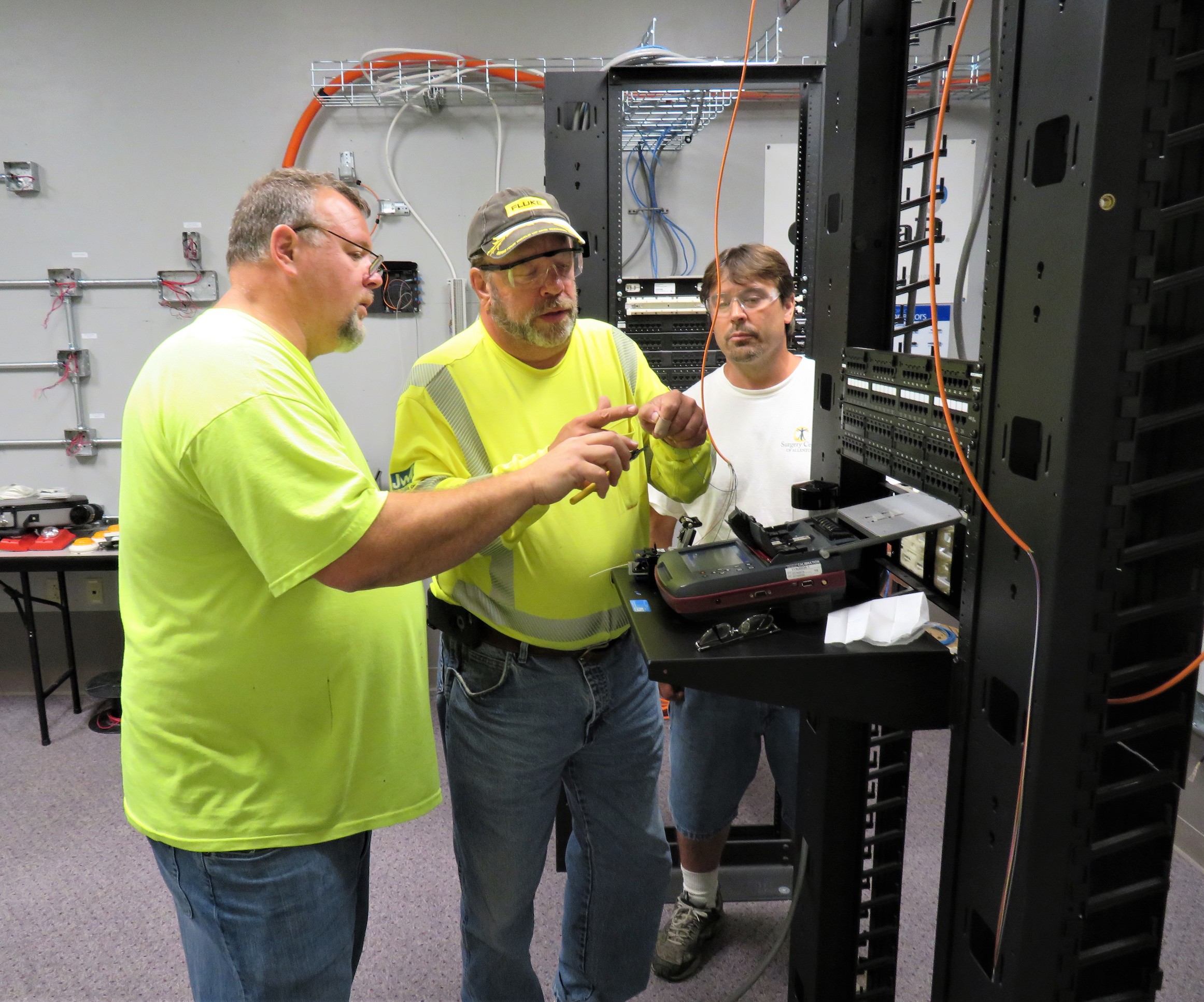
Entry into the electrical industry begins through a registered apprenticeship program, where individuals earn while they learn. Apprentices are employed in the field, working alongside experienced journeyman electricians, while also receiving structured classroom instruction. This model allows apprentices to develop technical skills, professional work habits, and industry knowledge simultaneously.
The apprenticeship program typically spans four years, culminating in journeyman status. Upon completion, individuals enter the workforce as skilled professionals debt‑free, having earned a livable wage throughout their training while gaining valuable on‑the‑job experience.
In addition to competitive wages, apprentices receive comprehensive health insurance and retirement benefits, offering stability and long‑term security early in their careers. For students seeking a well‑defined career path with strong earning potential, benefits, and opportunities for advancement, the electrical trades represent an excellent option worth consideration.
It is critical to understand that college is not for everybody and there are other career options. Guidance counselors should research and learn about the opportunities available through the building trades in order to direct students down the path toward an apprenticeship. An apprenticeship with the IBEW 743/NECA Electrical Training Alliance will provide students with a great career and help them to succeed in life, especially if they do not see college as a viable plan after high school graduation.
If you want more information on how an electrical trades apprenticeship can benefit your high school students, contact us at 610-777-8388 or edb@ibew743.org.